

Paintings

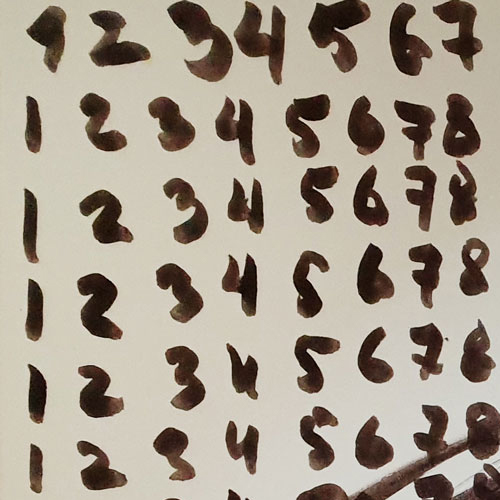
Works on paper
The Road through the Woods
Enter these woods at your own risk!
(information sign at the entrance to the Frohnau woods)
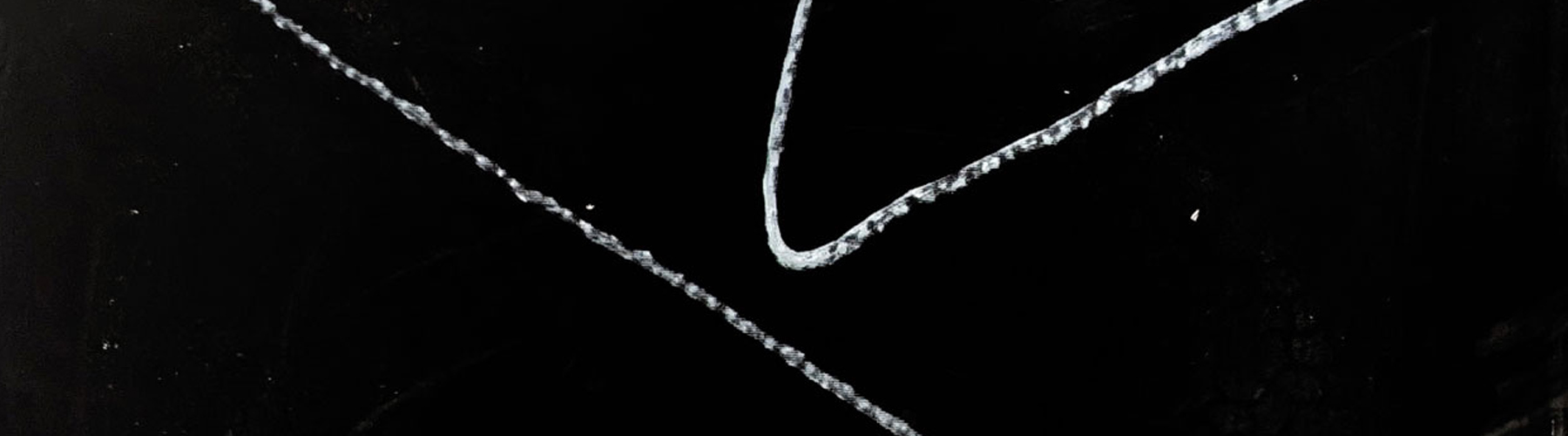
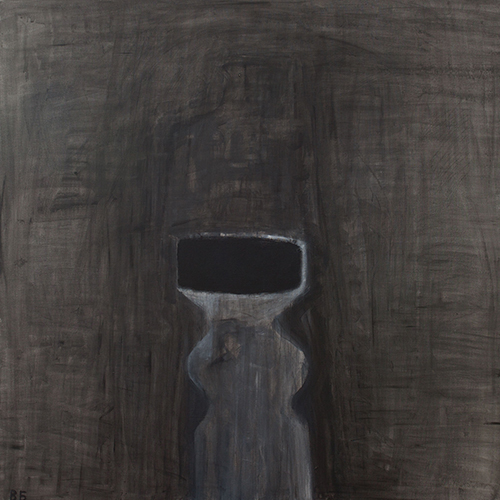
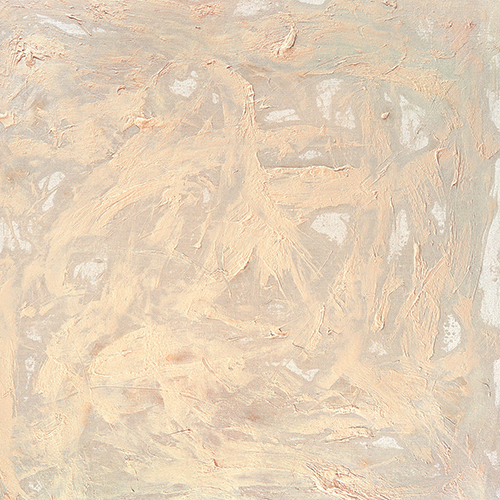
For Budnikov, landscape painting is like a magic lens that sharpens the reality that evades the direct gaze. The studio in the woods at the northern edge of Berlin provided Budnikov with a temporary workspace and solitary refuge, as well as a place for careful examination of the surrounding terrain. In contrast to his beloved, familiar lands, these unfamiliar woodlands embody the passage into the unknown, captured by Dante in the image of a gloomy wood. If Budnikov’s earlier practice is marked by the constant return to familiar places to work intimately with the landscape, this current state of being lost in a foreign wood suggests the uncertainty of both the present moment and the future. When Budnikov views meandering through the woods as a means of making a plan and finding a way out of the thicket, he is accepting this total darkness as the only possible ground.
Former skills instantly become meaningless in the geographic maw of the wild forest, but you get the chance to sense your own existence anew, instead of constantly expecting habitual normalcy. Following Benjamin, who said that being lost means being completely present, Budnikov uses his artistic practice to doggedly improve his ability to find himself within uncertainty. He perseveres in training his eye to orient in places where, at first glance, only chaos is visible. Each artwork is conceived and constructed as a condition for solving a problem set forth by the forest, or as a proposed order or structure for capturing the darkness in the paws of meaning. Presented as a series, the wooded landscape appears as an ornament, abstraction, geometric formula, map, plan, or chart.
The series Woods simultaneously contrasts and rhymes with Budnikov’s previous body of work, Botanical Garden: sometimes the lines of the artificially constructed botanical jungles nearly coincide with the interwoven lines of the forest’s natural disorder. It seems that this coincidence arises in those moments when the artist’s gaze searches the visible field for something that reminds him of a ruin, where war has wounded the landscape. Budnikov’s woods are neither a classic Romantic picture nor a standard-bearing certified natural growth area within the city limits. This is a “dark wood,” the desperation that precedes self-mastery in the midst of incomprehensibility; it is the vital energy that feeds human existence and thought.
Vlada Ralko, 2025, Berlin, Frohnau
(Translated from Ukrainian into English by Larissa Babij)
Drawings, 42x60, acrylic, graphite, oil pastel on paper
Created at the a_brucke residence from the Yurii Stashkiv Foundation Chervonechorne